Buying a Corvette is usually an emotional decision in the best way—performance, looks, heritage, and that unmistakable feeling when you start it up. But long-term satisfaction often comes down to something less exciting: knowing what ownership really costs beyond the purchase price. Many Corvette owners budget for the car payment (or cash price) and fuel, then get surprised by the “extras” that show up in the first year.
Whether you’re shopping new, used, or collector-grade, understanding these hidden costs helps you plan smarter—and enjoy the car without financial stress. Here are eight expenses people often underestimate.
1) Insurance that reflects performance (and replacement value)
Corvettes are typically more expensive to insure than a standard daily driver because they’re high-performance vehicles with higher repair costs and, in some cases, higher theft risk depending on location. Rates vary widely based on your age, driving history, garaging situation, mileage, and whether the car is your primary vehicle.
What surprises owners:
- Premiums that jump when you switch from “weekend car” to “daily driver” mileage
- Higher comprehensive costs if you park outside
- The difference between standard coverage and agreed-value policies (more common for collectible Corvettes)
Tip: Get an insurance quote before you buy—especially if you’re moving from a sedan/SUV to a performance car.
2) Tires that wear faster (and cost more than you expect)
Corvettes put real power down, and many trims use wide, high-performance tires that aren’t cheap. Even with careful driving, sticky performance compounds wear faster than all-season tires. If you enjoy spirited acceleration, cornering, or track days, tire life drops quickly.
Hidden tire costs include:
- Staggered setups (different front/rear sizes) limiting rotation options
- High-cost run-flat tires on certain models
- Alignment sensitivity—improper alignment can chew through tires fast
Tip: Ask what tires are currently on the car, their tread depth, and the replacement cost for the exact sizes.
3) Brakes that match the speed (pads, rotors, fluid)
Performance brakes are built to handle heat and stopping power, but that capability comes with a price. Pads and rotors can be more expensive than typical commuter-car components, and if the Corvette has performance packages or upgraded braking systems, costs can climb further.
You may also need:
- Brake fluid flushes more often (especially if driven hard)
- Higher-performance pads if you dislike dust/squeal tradeoffs
- Rotor replacement sooner if the car has been tracked or overheated
Tip: If you’re buying used, ask about brake service history and inspect rotor condition.
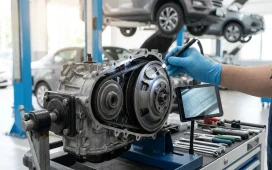
4) Maintenance that’s “normal,” but not cheap
Corvettes are generally well-engineered, but routine maintenance can still surprise first-time owners. Oil changes may require specific oil specs, and some models have larger oil capacities. Filters, fluids, and service intervals can differ from what you’re used to.
Common maintenance costs include:
- Oil and filter changes (often more expensive than average vehicles)
- Transmission and differential fluid services
- Coolant service intervals
- Spark plugs on V8s (more plugs, more labor)
Tip: Budget for a baseline service after purchase unless you have recent receipts proving it was done.
5) Fuel costs (and the difference between “can” and “should”)
Yes, you can drive a Corvette gently and get reasonable fuel economy. But most owners don’t buy one to hypermile. Premium fuel is often recommended (and sometimes required depending on model/year and tuning), and the temptation to use the power is real.
Hidden fuel realities:
- Premium fuel adds up quickly
- Short trips and city driving can be thirstier than expected
- Track days or spirited weekend drives can double your usual fuel spend
Tip: Estimate fuel based on your real driving habits, not your “I’ll drive it carefully” intentions.
6) Repairs and parts pricing (especially for modern tech)
Even if the engine is robust, Corvettes—especially newer generations—include advanced electronics, performance sensors, and specialized parts. When something fails, replacement costs can be higher than mainstream vehicles.
Examples:
- Magnetic ride control components (if equipped)
- Electronic modules and sensors
- Performance exhaust systems and valves
- Specialty lighting and body components
Tip: A pre-purchase inspection is worth it. It can catch issues that aren’t obvious during a short test drive.
7) Storage, protection, and “keeping it nice”
Many Corvette owners want to keep the car looking and feeling special. That often means spending on protection and storage.
Hidden “care” costs:
- Garage space or off-site storage
- Car cover, battery tender, and tire cradles for long sits
- Paint protection film (PPF) or ceramic coating
- Regular detailing (especially on darker colors)
Tip: If you don’t have garage space, factor in how you’ll protect it from sun, dust, weather, and door dings.
8) Taxes, registration, and purchase logistics
Depending on where you live, taxes and registration can be a meaningful chunk of the first-year cost. Private-party purchases may also come with additional steps (inspections, emissions, title transfer processes), and out-of-state deals add shipping or travel expenses.
Hidden logistics costs:
- Sales tax and DMV fees
- Shipping (enclosed transport can be pricey)
- Temporary tags/permits
- Emissions testing or inspections
Tip: Get an “out-the-door” estimate early so you don’t stretch your budget unexpectedly.
Why these costs matter when you’re planning the purchase
Knowing the real ownership costs helps you set a payment and down payment that still leaves room to enjoy the car. If you’re planning to finance a Corvette, it’s smart to keep some cash available for tires, initial maintenance, and protection—because those are the things that make ownership feel smooth instead of stressful.
The best Corvette ownership experience isn’t just about getting the keys—it’s about staying ahead of the hidden costs so the car remains a joy, not a surprise expense. Plan realistically, budget for the first year, and you’ll spend more time driving—and less time wondering what the next bill will be.