Key Highlights
- A full service history is the best indicator of how well a vehicle was maintained.
- Physical inspections should focus on both cosmetic damage and structural integrity.
- Test drives are essential to evaluate the performance of the engine and gearbox.
- Verifying ownership and legal paperwork prevents future administrative headaches.
- Checking tyre condition can reveal hidden alignment or suspension issues.
Introduction
Choosing to buy used cars is a smart financial move that allows drivers to access premium models at a fraction of their original cost. However, the pre-owned market requires a level of due diligence that is not necessary when purchasing a brand-new vehicle. Every second-hand car has a unique history, and understanding that history is the key to making a sound investment. From mechanical reliability to legal compliance, several critical factors can determine whether a vehicle is a bargain or a potential burden. By following a systematic approach to your inspection, you can avoid common pitfalls and drive away with a vehicle that offers both performance and peace of mind for years to come.
Verifying Service History
The first thing any savvy buyer should request is the service logbook. A consistent service history suggests that the previous owner took pride in the vehicle and followed the manufacturer’s recommendations for oil changes, belt replacements, and fluid top-ups. When you buy used cars without a clear maintenance record, you are essentially gambling on the engine’s health. Look for stamps from reputable garages and pay attention to any recurring issues mentioned in the repair invoices. If the history shows long gaps between services, it could indicate the car has suffered from neglect, which often leads to expensive mechanical failures later down the line.
Performing a Comprehensive Test Drive
You should never finalise a deal until you have taken the vehicle out on the road. A test drive is your opportunity to hear the engine and feel the transmission. Pay close attention to any unusual noises, such as clicking when turning or grinding when braking. The car should track straight on a level road without pulling to one side, as pulling can indicate alignment or suspension problems. When you buy used cars, it is also important to test the vehicle at different speeds. Some vibrations only appear at motorway speeds, while others are more noticeable during low-speed manoeuvres. A smooth, responsive drive is a strong indicator of a well-maintained machine.
Inspecting Exterior and Interior Condition
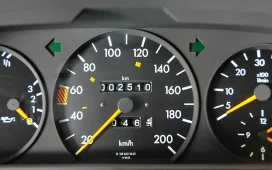
A thorough physical inspection goes beyond looking for scratches or dents. While cosmetic perfection is rare in a second-hand car, you should be on the lookout for signs of past accidents. Look for inconsistent panel gaps or variations in paint colour, as these often point to body repairs that the car dealer may not disclose. Inside the cabin, check the wear on the steering wheel, pedals, and seats. If the upholstery is heavily worn but the odometer shows low mileage, the car may have been used for short, heavy-duty trips, or the mileage could have been tampered with. Ensure all electronic components, such as the air conditioning and infotainment system, are functioning correctly.
Checking Tyres and Under the Bonnet
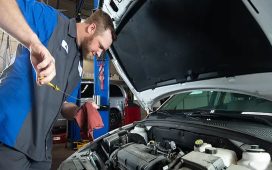
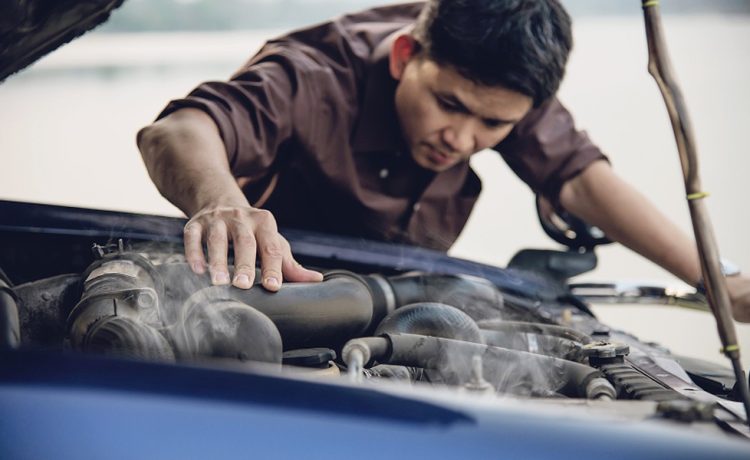
The condition of the tyres can tell you a lot about the vehicle’s life. Uneven wear across the tread often signals that the wheels are out of alignment or that the suspension components are failing. Additionally, always pop the bonnet to check the engine bay. While you do not need to be a mechanic, you should look for signs of fluid leaks, charred wires, or heavy corrosion. Check the oil level and the colour of the coolant; milky oil or dirty coolant can be symptoms of serious engine trouble like a blown head gasket. Ensuring these basic components are in good order will save you from immediate repair costs after the purchase.
Conclusion
Navigating the pre-owned market is rewarding if you know what to look for and which questions to ask. By prioritising a comprehensive inspection and a detailed history check, you can ensure that the vehicle you choose is safe and reliable. Whether you are looking for a compact city car or a robust family SUV, the same principles of due diligence apply. Buying a vehicle is a significant commitment, and taking the time to verify every detail ensures that your investment remains a source of joy rather than stress. With the right preparation, your next vehicle will serve you faithfully for many miles.
If you are ready to find your next high-quality vehicle, contact M Motors to browse our expertly inspected range of cars today.