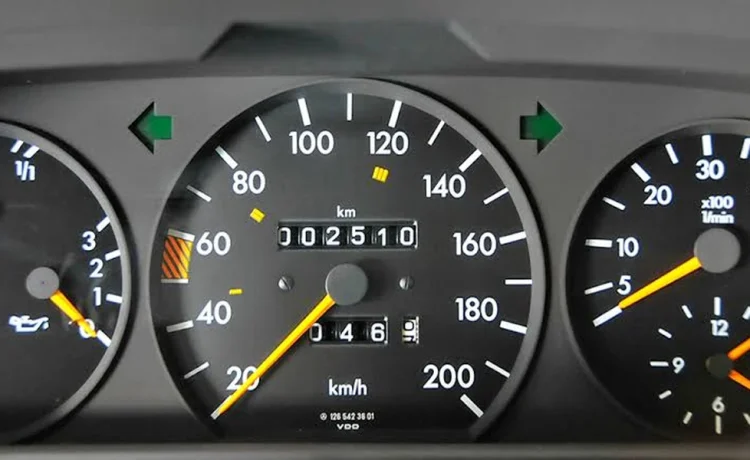
Half the used imports sold as “low mileage” in the United States have never had their odometer reading verified by anyone. That claim sounds cynical until you understand how these engines actually reach a buyer’s garage, and why the mileage figure attached to them is often the least reliable number in the whole transaction.
Japanese Domestic Market engines earn their reputation for a real reason. Vehicles in Japan face a strict periodic inspection called shaken, and the cost of keeping an older car road-legal climbs steeply past a certain age. Owners tend to replace vehicles early, which floods the domestic parts market with engines and transmissions that genuinely have modest mileage on them. So the underlying premise holds. The problem is verification, not physics.
Where the mileage number comes from
Here is the uncomfortable part. Most JDM engines are pulled from donor vehicles before export, and the engine block itself carries no odometer. The mileage figure a seller quotes usually describes the vehicle the engine came out of, not a reading you can independently confirm on the component sitting in front of you. Once the engine is separated from the car, the paper trail thins out fast.
Reputable importers work around this by keeping auction documentation. Japanese auto auctions grade vehicles on a standardized scale, and the Japan Auto Appraisal Institute produces inspection sheets that note the original odometer reading, accident history, and condition. When a supplier can show you the auction sheet for the donor vehicle, the mileage claim has an actual source. When they cannot, you are trusting a number that may have been rounded down for marketing. A supplier such as Texas JDM Motors that keeps this documentation gives a buyer something to check against, which is the whole point.
Why the claim gets exaggerated
Sellers exaggerate mileage claims for the same reason used car lots do: buyers reward low numbers. An engine advertised at 40,000 kilometers moves faster than the same engine listed at 90,000, even when the difference has no measurable effect on how the engine runs. Kilometers add another layer of confusion. A figure that looks alarmingly high to an American buyer thinking in miles is often modest once converted, and some sellers exploit that ambiguity by quoting whichever unit sounds better.
None of this means the engines are bad. It means the mileage figure should sit near the bottom of your list of decision factors, well below compression numbers, visual condition, and whether the seller stands behind the part.
What actually predicts engine health
Mileage correlates with wear, but only loosely. A neglected engine with 30,000 kilometers can be in worse shape than a maintained one with double that. The measurements that matter are compression and leak-down testing, both of which tell you about the actual sealing of the cylinders rather than a number stamped on a dashboard the engine no longer lives behind.
Visual inspection catches most of the rest. Oil sludge under the valve cover signals poor maintenance regardless of stated mileage. Corrosion on the block or coolant passages hints at storage problems. A cracked or brittle timing belt tells you the previous owner skipped a critical service interval. These signals survive the trip across the Pacific in a way that a marketing claim does not.
There is also the question of how the engine was stored between removal and sale. An engine that sat outdoors in a humid yard for a year accumulates problems no odometer reflects. Moisture works its way past seals and into cylinders, rings can seize against corroded bores, and rubber components dry out. Two engines with identical stated mileage can arrive in completely different condition based purely on how each supplier warehoused its stock. A climate-controlled facility protects an engine in ways a gravel lot never will, and that difference never appears in the mileage figure.
The kilometer conversion trap
Because Japanese odometers read in kilometers, a small trick appears constantly in listings. An engine from a vehicle showing 80,000 kilometers has covered roughly 50,000 miles, a figure most American buyers would consider excellent. Some sellers quote the kilometer number knowing it looks alarmingly high to a buyer thinking in miles, then offer a discount that feels generous but reflects a conversion the buyer misread. Others do the opposite, quoting a converted mile figure without noting the original, which makes verification against the auction sheet impossible.
Always ask which unit a mileage claim uses and what the original odometer showed. The conversion itself is simple arithmetic, roughly six tenths of a mile per kilometer, but the ambiguity is exactly what lets a fuzzy number stay fuzzy. Pin down the unit and the original reading, and half the mileage games stop working.
How to evaluate a mileage claim honestly
Treat the stated mileage as a starting hypothesis, not a fact. Ask the supplier three direct questions. Can they provide the auction sheet or inspection documentation for the donor vehicle? Will they share compression readings taken before the engine shipped, or allow a test on arrival? What does their warranty cover, and for how long? A seller confident in the engine answers all three without friction.
The warranty question does more work than people expect. A supplier willing to guarantee an engine for months has effectively told you they believe in its condition, and they have done so by putting their own money on the line. That signal outranks any mileage figure, because it survives contact with reality. A mileage claim costs nothing to make. A warranty costs the seller real money if the engine fails.
The reasonable middle position
Skepticism about mileage claims is not the same as skepticism about JDM engines. The market exists because Japanese vehicles genuinely leave service early and their drivetrains genuinely have life left in them. Companies like the ones importing under the 25-year federal rule have built a legitimate supply chain, and services such as Carfax have made buyers in general more comfortable demanding documentation. The engines are worth buying.
What is not worth doing is anchoring the whole purchase to a single unverifiable number. Weigh the mileage claim, sure, but weigh it lightly. Then spend your real attention on compression, condition, documentation, and warranty, because those four together tell you what the engine will actually do once it is bolted into your car. A buyer who reorders their priorities that way ends up with a better engine than the one who chased the lowest odometer figure on the listing.
The mileage number is not a lie so much as a distraction. Understand where it comes from, ask for the paperwork behind it, and let the harder evidence make your decision. That approach turns a murky marketing claim into one data point among several, which is exactly the weight it deserves.