Key Takeaways
- Road rescue calls begin with a quick safety assessment to protect you and your vehicle.
- Professionals use specialised equipment to jump-start a car without risking damage to the electrical system.
- A thorough diagnostic test is performed to see if the battery needs a simple charge or a full replacement.
- Expert technicians offer advice on battery maintenance to prevent future breakdowns.
Introduction
There is never a “good” time for your car to break down. Whether you are heading to work, picking up the kids, or finally going on that weekend getaway, a dead battery always seems to happen at the most inconvenient moment. You turn the key, and… nothing. The silence is deafening. In these moments, a car battery road rescue service is your absolute lifeline. But if you have never called for one before, you might be wondering what actually happens once the technician arrives at your location.
Many people feel a bit anxious when they are stranded, but knowing the process can help calm those nerves. It is not just about showing up with some cables and a prayer. Modern roadside assistance is a sophisticated operation involving specialised tools and highly trained professionals. They do not just want to get your car started; they want to make sure you are safe and that the root cause of the problem is identified correctly. Let’s walk through the typical steps of a rescue call so you know exactly what to expect.
Safety First and the Initial Assessment
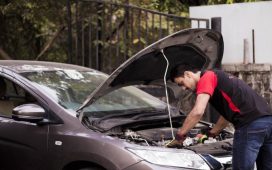
As soon as the rescue vehicle arrives, the technician’s priority is safety. If you are stuck on a busy road, they will position their vehicle to create a safe barrier between you and the passing traffic. They might use cones or flashing lights to ensure high visibility. You know what? This part is often overlooked by drivers who try to fix things themselves, but it is the most crucial step. Once the area is secure, the technician will have a quick chat with you to understand exactly what happened when the car failed to start.
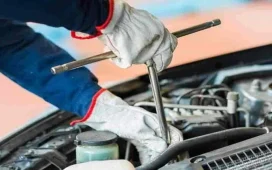
After the initial chat, they will perform a visual inspection under the bonnet. They are looking for obvious signs of trouble, such as loose battery terminals, heavy corrosion, or even chewed wires from a stray rodent. They will also check the overall condition of the battery. Is it leaking? Is it bloated? This preliminary check helps them decide whether it is safe to attempt to jump-start a car or if the battery is too damaged to be revived. It is a methodical approach that ensures no further damage is done to your vehicle’s electrical system.
The Technical Process of Reviving the Battery
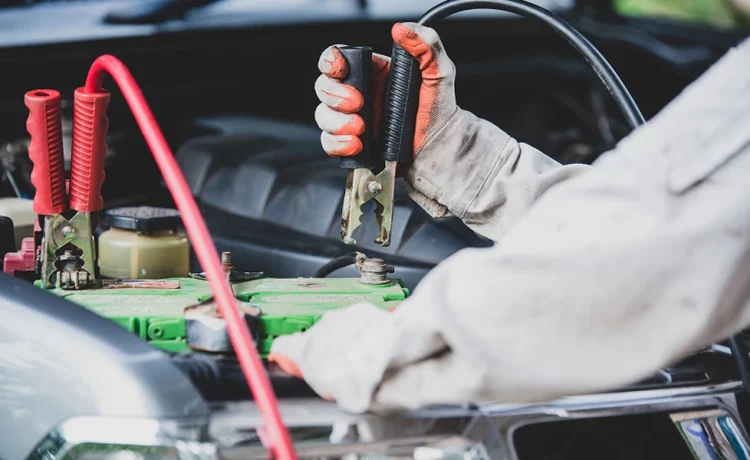
Once the technician is confident that a jump is safe, they will use a professional-grade portable jump starter or a heavy-duty battery pack. Unlike the cheap cables you might buy at a supermarket, these tools are designed to provide a stable, controlled surge of power. This is particularly important for modern cars, which are packed with sensitive computers. A DIY jump start with poor-quality cables can sometimes cause a power spike that fries your car’s ECU-and that is a very expensive mistake you definitely want to avoid!
While the engine is running, the technician does not just pack up and leave. They will use a digital battery tester to see how the battery is holding its charge. This tool provides a detailed report on the battery’s health, including its cold cranking amps and voltage levels. They will also test the alternator to make sure it is actually charging the battery while the engine runs. If the alternator is the real culprit, jump-starting the car will only provide a temporary fix, and you will likely get stuck again a few miles down the road.
Professional Advice and Long-Term Solutions
After the tests are complete, the technician will explain the results to you in plain English-no confusing jargon. If the battery is just flat because you accidentally left a light on, they will advise you to drive for a certain amount of time to let the alternator do its job. However, if the test shows that the battery is nearing the end of its life, they will recommend a replacement. Most road rescue services carry a stock of high-quality batteries in their vans, so they can often perform a replacement right there on the spot.
This transparency is what makes professional rescue services so valuable. They provide you with the information you need to make an informed decision. You won’t be left wondering if your car is going to die again the next time you turn it off. They might also give you some tips on battery maintenance, such as keeping the terminals clean or making sure you take the car for longer drives occasionally to keep the battery topped up. It is about providing a long-term solution, not just a quick fix to get you out of their hair.
Conclusion
Calling for a car battery road rescue is the smartest move you can make when your vehicle refuses to start. From the initial safety checks to the high-tech diagnostics, every step is designed to get you back on the road safely and efficiently. You get the peace of mind that comes from knowing the job was done correctly by an expert who understands the complexities of modern automotive electronics. So, the next time you hear that silence when you turn the key, stay calm and call the professionals.
Contact Elite Auto Rescue for immediate assistance and professional car battery services today.