Towing appears to be a simple idea the moment your car breaks down. The type of transmission can have a relatively significant impact, though. Automatics and manuals are simply designed differently on a mechanical basis, and thereby, using the incorrect towing method can cause plenty of expensive damage.
These are essential differences if you require a tow truck in Broadmeadows for your vehicle to limit the amount of damage it’s subjected to during transport.
Why Transmission Type Matters?
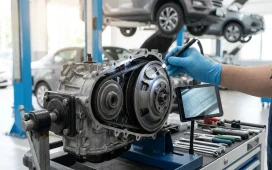
There are numerous moving parts inside a vehicle’s transmission that all depend on proper lubrication. These parts may keep right on spinning even when the engine is not running, at least while towing is going on.
Since many automatic transmissions use a pump (driven by the engine) to circulate transmission fluid, they are more sensitive. When the engine is not running, there are a few components that will not receive proper lubrication and can be damaged.
Manual transmissions are typically a little more forgiving − and still demand the right tow method.
Towing an Automatic Car
Unless the owner’s manual explicitly states that an automatic can tow all four wheels on the ground, most manufacturers warn against it.
Safer options include:
- Using a flatbed tow truck
- Bringing the driven wheels into an airborne position
- Following the manufacturer’s towing instructions
- The right method can save on costly transmission repairs
Thanks to the trained operators who know how to carry various vehicle types safely, many drivers request a professional tow truck in Donnybrook.
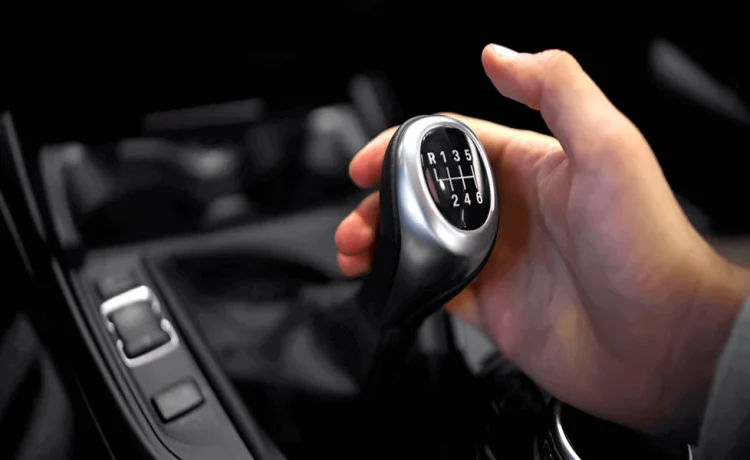
Towing a Manual Car
Manual cars are usually easier to tow, but that doesn’t mean any method works. Normally it or the transmission will need to be in neutral and the parking brake fully released before towing begins.
But at the same time, they may not always recommend flat-towing with all four wheels on the ground, even for a manual transmission. However, before moving the vehicle, always refer to the manufacturer guidelines.
Flatbed Towing Provides the Best Protection
A flatbed tow truck lifts the whole vehicle off the road. Because none of the ‘wheels’ are on the ground, there’s a low risk of damage to transmission or drivetrain components.
Flatbed towing is frequently called for high-end vehicles, 4x4s, low-clearance autos, and cars with unfamiliar mechanical injuries by professional operators using a tow truck in Broadmeadows.
While easily more expensive, flatbed transport is very protective.
Common Towing Mistakes to Avoid
Careless errors while towing can lead to significant mechanical issues.
Avoid the following:
- Pulling without reference to the owner’s manual
- Leaving the parking brake engaged
- Using incorrect towing equipment
- Exceeding recommended towing speeds
- Ignoring transmission requirements
That reduces the risk of unplanned repairs because they were not following procedures.
When Should You Contact a Professional?
Not every roadside scenario can be handled with a simple tow strap. Accident damage, a transmission failure, flat tyres, or problems with the steering increase the complication of towing.
A reliable tow truck service in Donnybrook will not only pick up your vehicle but also ensure that the load is secured and transported with tools designed for your vehicle type. It also helps enhance safety for all road users when well-trained operators perform their tasks.
Check Your Owner’s Manual
Every vehicle is different. Even two cars with the same kind of transmission might have markedly different towing recommendations depending on the car’s drivetrain, as well as manufacturer specifications.
Check the owner’s manual for approved methods of towing before attempting any tow. If you’re not 100 per cent certain, call a professional towing service for help as opposed to potentially damaging your vehicle.
Final Thoughts
Towing does not follow the same rules for automatic and manual vehicles. Automatic gearboxes tend to be more sensitive towards incorrect towing practices, but manual cars do still require some basic steps to avoid premature wear. Knowing the differences, adhering to manufacturer specifications, and using qualified towing companies will protect your vehicle and get it where you want it.