Key Takeaways
- Intense sun, dust, wind, and road debris can wear down interior materials, paint, trim, tires, and glass.
- Window film can reduce glare, heat, and ultraviolet exposure when selected and installed within Texas rules.
- Paint protection film, ceramic coatings, waxes, and sealants serve different purposes.
- Consistent cleaning and basic maintenance often protect a vehicle better than occasional, rushed detailing.
- Measurable performance, upkeep requirements, and realistic limitations should compare product claims.
Lubbock drivers know that West Texas sun, dry wind, blowing dust, and long stretches of open road can take a visible toll on a vehicle. From a dashboard that feels hot after a workday to a paint that collects road film near Loop 289, a layered care routine helps preserve comfort and appearance. Options such as ceramic coating for cars in Lubbock, TX, can be part of that routine when they match the vehicle’s needs and the owner’s maintenance habits.
No single product solves every problem. Heat control, glare reduction, paint-chip resistance, safe washing, and mechanical upkeep each address different risks. The most practical approach for Lubbock vehicles is to identify the biggest exposure, then choose protection that fits daily parking, mileage, storage conditions, and budget.
Why Lubbock Heat and Sun Wear Down Vehicles
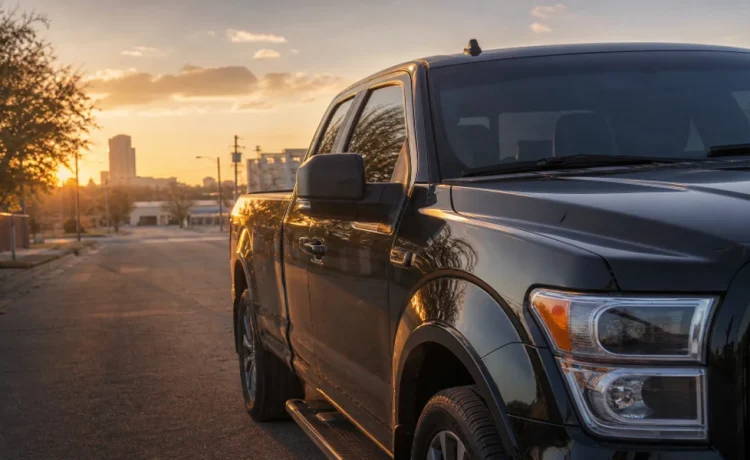
A parked vehicle can heat up quickly, especially when it sits outside during a cloudless South Plains afternoon. Visible light creates glare, infrared energy contributes to heat, and ultraviolet radiation can cause fading and material degradation over time. Repeated cycles of high daytime heat and cooler evenings may dry out rubber seals, dull plastics, and increase stress on older trim. A dark truck parked outside all day can feel dramatically different inside than the same vehicle stored under cover.
Ways to Protect the Interior
Start with simple habits: use a reflective windshield shade, seek covered parking when possible, and remove dust before wiping vinyl, leather, screens, and trim. Use cleaners and protectants intended for the surface being treated, since a one-size-fits-all product can leave residue or create unwanted shine on glass and touchscreens. Drivers searching for automotive ceramic coating near me may also be considering the overall ownership experience, including cabin comfort. Window film can be worth considering for heat and glare control, while a windshield shade remains useful, as film does not eliminate all sources of cabin heat. Side and rear windows may not provide the same UV protection as the windshield. Guidance on vehicle window UV exposure explains why drivers should understand the glass-and-film combination on their specific vehicle. Film can support sensible sun protection, but it does not replace sunscreen, protective clothing, or the avoidance of unnecessary exposure.
What to Check Before Choosing Window Film
Do not judge a film by darkness alone. Visible light transmission describes how much light passes through the glass and film, while heat rejection and UV performance are separate measures. Ask whether heat claims use the same testing terms across products, whether the film is compatible with electronic devices, and whether it has a clear warranty. Quality installation also matters. Clean glass, precise edge work, proper curing time, and correct aftercare help the finished film look better and last longer. Before installation, confirm current Texas limits for visible light transmission, reflectivity, windshield placement, inspections, and any applicable medical exemptions.
How to Guard Paint Against Road Wear
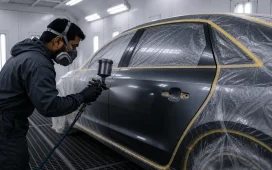
Lubbock roads can expose front bumpers, hoods, mirrors, and rocker panels to grit, insects, gravel, and oily road film. Paint protection film is a physical barrier that is often chosen for impact-prone areas. Ceramic coatings can improve water behavior, gloss, and ease of cleaning, but they are not designed to replace a film when rock chips are the main concern. Wax and paint sealants are simpler, lower-cost options that usually need more frequent reapplication. A fitted, clean vehicle cover can help during storage, but a dirty cover dragged over dusty paint can create scratches.
Cleaning Habits That Prevent Long-Term Damage
Safe technique matters more than washing on a rigid schedule. Rinse loose dust before touching the paint, wash from the top down, and use separate tools for wheels, tires, glass, and painted panels. Dry with clean microfiber towels or safe moving air, then promptly remove bird droppings, bug residue, tree sap, and fuel splatter. Avoid household dish soap, worn towels, dry-wiping a dusty vehicle, and automatic brushes that may leave fine marring. Inspect the finish in bright, indirect light for chips, stains, peeling film, or dull spots.
Heat-Ready Maintenance for 2026
Appearance care works best alongside basic reliability checks. Check tire pressure when the tires are cold, use the vehicle manufacturer’s recommended pressure, and inspect the tread, sidewalls, and tire age. Check coolant and battery condition before longer drives, replace ineffective wiper blades, and keep water, a phone charger, and emergency supplies in the vehicle. When carrying gear for a lake trip, jobsite, or move, follow safe load-securing practices to prevent loose cargo from becoming a road hazard.
How to Build a Practical Protection Plan
Choose upgrades based on the problem you want to solve first:
- For cabin heat and glare: prioritize a windshield shade, parking strategy, and legally compliant film.
- For paint chips: consider protection film on high-impact front-facing areas.
- For easier washing and gloss: compare coatings, sealants, and their maintenance instructions.
- For a limited budget: begin with safe wash supplies, routine inspections, and targeted protection instead of every available upgrade.
- Before purchasing: ask about preparation, warranty coverage, curing time, washing restrictions, repair options, and expected service life.
Common Questions Drivers Ask
Does darker window film always reject more heat?
No. Darkness and heat rejection are different measurements. Some lighter films can provide strong heat and UV performance depending on their construction.
Can a ceramic coating prevent rock chips?
Not in the same way as paint protection film. Coatings support surface maintenance and cleaning, while film provides a physical layer in chip-prone areas.
How often should a vehicle be washed in dusty weather?
Wash when buildup is visible or contaminants are present. A careful wash after a dusty week is better than frequent dry-wiping.
Is professional installation necessary?
Some products suit careful do-it-yourself work, but films and coatings often require thorough preparation, dust control, proper temperature, and precise application.
Conclusion
Vehicle protection in Lubbock is most effective when it is practical, consistent, and matched to the region’s demanding conditions. Smart parking can reduce prolonged sun exposure, while safe cleaning helps remove dust, road grime, insects, and other contaminants before they become difficult to manage. Heat-aware maintenance is also important for tires, batteries, fluids, and interior materials during long stretches of high temperatures. Suitable window film can improve cabin comfort and glare control, while targeted paint protection can help vulnerable areas withstand road debris and everyday wear. Regular inspections and timely cleaning can further extend the benefits of these upgrades. Build the routine around the conditions your vehicle faces every day, including where it is parked, how far it travels, and how often it is exposed to the elements, rather than paying for protection you do not need.