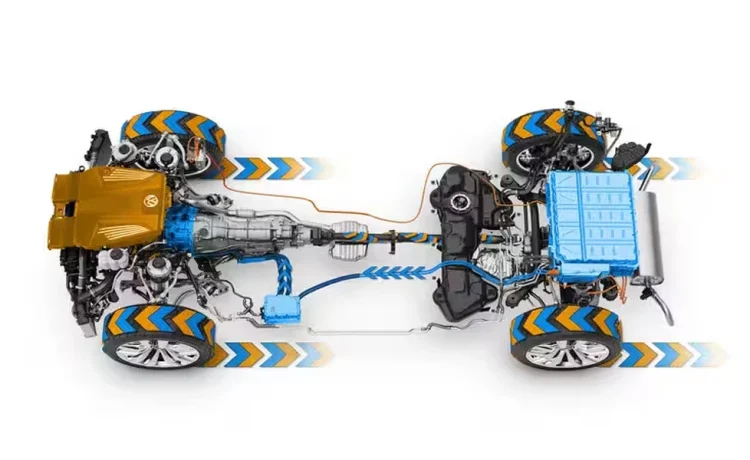
For over 100 years, cars have been largely powered by petrol and diesel engines. A new trend is emerging, however: the use of an electric motor in conjunction with an internal combustion engine. A hybrid powertrain combines these two systems to enable the use of one system where it is best suited. The outcome is a shift in manufacturers’ mindset toward efficiency, performance, and day-to-day driving.
By seamlessly combining the instant torque of electric motors with the long-range reliability of internal combustion engines, modern hybrid powertrains have fundamentally reshaped how the automotive industry approaches efficiency, emissions reduction, and vehicle dynamics.
Two Power Sources Working Together
A hybrid vehicle usually has an electric motor and a fuel cell or one electric motor and one fuel cell. The vehicle can use the electric power, the engine or both, depending on the driving conditions. The electric motor could be used to do a lot of the work at low speeds. If greater acceleration is required, then the engine can jump in. This co-operative load sharing enables the vehicle to make better use of energy rather than relying solely on the fuel engine throughout a trip.
Making Better Use of Energy
Many hybrid systems feature regenerative braking, which is one of the most helpful functions. This system recaptures some of the energy generated during braking and returns it to the battery, thus minimising the loss of energy as heat. Imagine what occurs when a car stops or starts. A regular car accelerates again and again and slows down each time. A hybrid can, in part, reclaim that braking energy and put it back in use later. It can add up over thousands of stops.
Smoother Everyday Driving
The electric motors provide torque almost instantly, giving the hybrid a “snappy” response when accelerating from a traffic light or city centre. Modern systems also feature smooth power transfer between the electric power and the engine. The driver might not realise when the engine starts or stops, depending on the vehicle. This results in a more peaceful and calm ride, especially at lower speeds.
different types of CPD suitable for a specific type of need.
Not all hybrids function in the same manner. Mild hybrids offer some electric power to assist the vehicle, but most of the time they are not able to operate it entirely with electric power. Full hybrids can run on the electric motor under certain conditions and plug-in hybrids offer more electric-only range due to a larger battery pack that is chargeable from the outside. This helps manufacturers to offer various configurations of hybrid technology in different vehicles and for different drivers.
Changing Vehicle Design
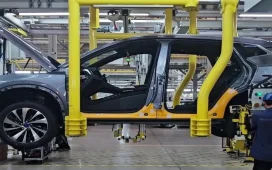
Another area of the car that has been affected by hybrid powertrains is the interior. Engineers have to fit in the batteries, electric motors, power electronics, cooling systems, and the traditional engine parts, and not lose a lot of passenger or cargo space. That has spurred progress in battery packaging, lightweight materials, software controls and thermal management. The powertrain is no longer limited to an engine and transmission; it’s a system of mechanical and electrical components.
It is a Stepping Stone in Automotive Technology program.
Hybrid technology is contributing to the transition between conventional engines and more and more electrified vehicles. It provides an alternative solution for fuel savings for manufacturers that still want to maintain an internal combustion engine.