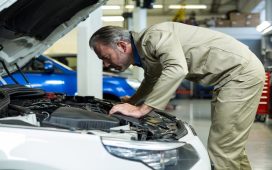
Modern driving relies on sophisticated electronic systems for passenger safety. The traction control module acts as a primary brain for vehicle stability. This component monitors wheel speeds constantly to prevent dangerous tire slipping. Regular inspections during scheduled maintenance visits ensure this system functions correctly. Many drivers overlook this vital electronic part during routine oil changes. York Tire & Auto Service prioritizes your safety through comprehensive digital vehicle inspections.
The Importance of Electronic System Diagnostics
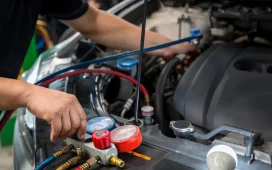
The traction control module communicates with several different sensors. It processes data from the wheels and the braking system. Now technicians connect specialized tools to read stored error codes. These codes reveal hidden problems before warning lights appear. Sometimes internal circuit failures happen without any obvious physical signs. Experts at York Tire & Auto Service identify these subtle electronic glitches.
Physical Inspection of Wiring and Connectors
Road debris and salt often damage delicate external wiring harnesses. Technicians examine every visible wire for signs of fraying. The protective casing must remain intact to prevent short circuits. Corrosion inside electrical connectors blocks vital signals from reaching sensors. Consistent maintenance prevents total system failure during emergency driving maneuvers.
Sensor Calibration and Wheel Speed Accuracy
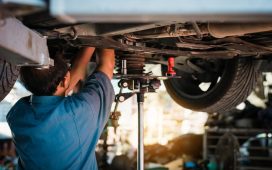
The module depends on accurate data from four individual sensors. These components sit near the wheel hubs and bearings. Sometimes dirt or metal shavings interfere with the magnetic signal. The technician cleans the sensor faces to ensure precise readings. Then they check the alignment of the tone rings. Damaged teeth on a ring cause erratic traction control behavior. But simple cleaning often restores the original factory performance levels. You will feel a smoother transition during acceleration on slippery surfaces. Proper calibration keeps your anti-lock brakes working in perfect harmony.
Software Updates and Technical Service Bulletins
Automotive manufacturers frequently release software updates for electronic control units. These updates fix known bugs and improve system logic patterns. Now the service center checks for any applicable software patches. Installing new firmware optimizes how the module handles wheel spin. The update process requires specialized equipment and technical training. So visiting a professional shop ensures your car stays current. Auto Repair in Red Lion, PA includes these critical electronic health checks. Modern vehicles are mobile computers that need regular digital tuning. York Tire & Auto Service keeps your software running without any errors.
Testing the Module Under Real Conditions
The final step involves a controlled functional test of the system. Technicians watch the data stream while the wheels are moving. This test confirms the module applies brakes to slipping wheels. The system should intervene quickly without causing harsh vibrations or noise. Sometimes a road test reveals issues that static tests miss. You want the assurance of a fully functional safety net. The brake pressure must modulate smoothly across all four corners. Proper testing validates the integrity of the entire traction network. Your car will handle corners with much more predictable stability.