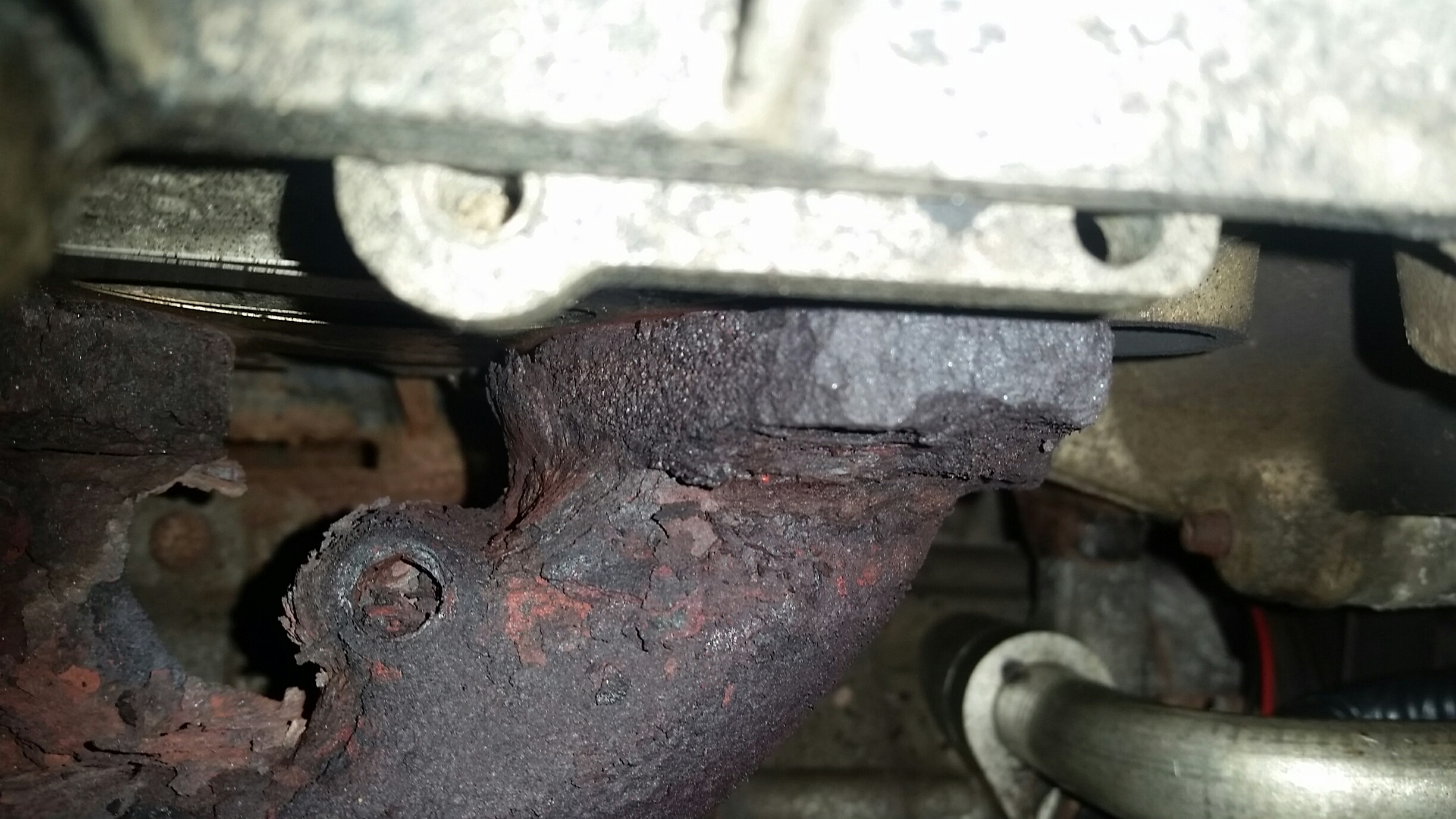
Many Ford F-150 and Super Duty proprietors eventually experience a sharp ticking explosion coming from the engine bay—often most evident during cold starts or under light acceleration. This sound is usually copied back to a leaking exhaust abundant, and in most cases, the fundamental cause is broken studs.
Though it may start as a temperate annoyance, ignoring the question can lead to drain leaks, poor engine performance, and even bent manifolds. Understanding the reason these studs break and how the issue develops helps the car holder to avoid costly Auto Repair in Flushing, MI.
Why Exhaust Manifold Studs Matter
The exhaust many must stay tightly secured against the cylinder head to channel hot smoke efficiently into the impoverish system. To handle extreme hotness and vibrations, Ford uses extreme-strength steel studs to clamp the manifold in place.
But even these unfeeling fasteners have limitations. Over time, they can snap, loosen, or corrode—creating gaps between the many and the head. Once that seal breaks, the classic metallic ticking starts, especially conspicuous when the engine is cold, and the metal hasn’t expanded yet.
- Extreme Heat Cycles
The biggest enemy of exhaust studs is thermal growth and contraction. When the engine starts cold and heats up quickly, the abundance expands at a different rate than the cylinder head. This repeated cycle stresses the studs, especially on:
- 5.0L V8
- 5.4L Triton
- 6.2L Boss
- 6.7L Power Stroke
On these engines, the abundant sits close to the generator bay obstruction, trapping heat and raising temperatures even further. You can also consult with experts like Flushing Service Center.
- Manifold Warping
Once the manifold heats unevenly, it may begin to distort. This is common on trucks that give a lot of opportunity for hauling heavy loads, where exhaust helpers climb efficiently.
Warping can take place faster when:
- The truck is used for towing
- The engine runs hotter on account of clogged catalytic converters
- Aftermarket tunes increase impoverish gas temperature
- The engine idles for widespread periods
As warping increases, stud damage becomes certain.
- Design Constraints in Certain Ford Engines
Some Ford engines are simply more prone to stud breakage on account of tight packaging around the many. The combination of extreme temperatures, limited light wind, and long manifold runners creates the perfect atmosphere for fastener fatigue.
This issue is exceptionally common on:
- 5.0L Coyote V8
- 6.2L V8
- 6.7L Power Stroke (former model years)
Conclusion
A ticking consumer manifold on an F-Series truck may sound minor, but it’s often the first sign of destroyed or fatigued studs, a common issue across many Ford engines. If your truck has developed the classic exhaust tick, having it examined promptly by experts like Flushing Service Center can save you from larger repairs later.