Where the Big Machines Do the Heavy Lifting
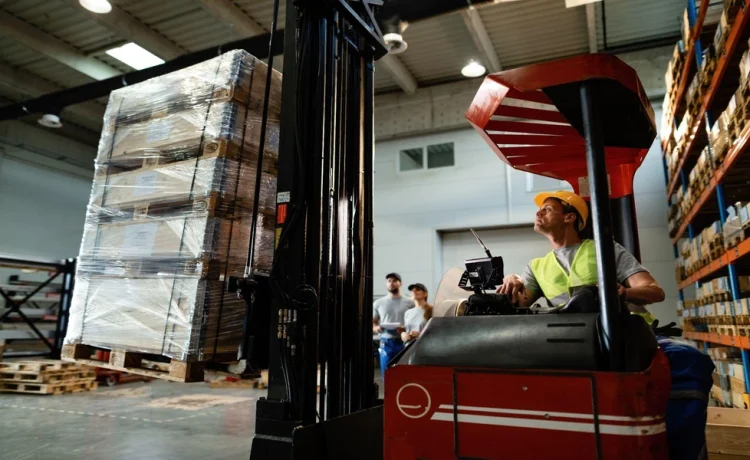
Not every workplace needs a forklift that can move steel beams or full containers, but for some industries, these machines are part of the daily routine. From factory floors to busy ports, heavy-duty trucks handle loads that smaller equipment can’t manage. Many of these sites are also weighing up whether an electric heavy-duty forklift could join their fleet alongside diesel models. Since these trucks work long hours, having a forklift parts supplier close at hand matters as much as the machine itself. Here’s a look at four industries that lean on them the most.
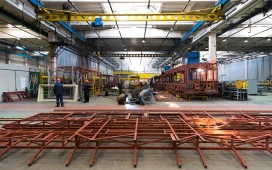
Manufacturing and Metal Fabrication
Factories that work with steel, aluminium or machinery parts move large, awkward loads throughout the day. Common jobs include:
- Moving raw materials
- Steel coils, sheets and bars are brought from storage to cutting and pressing areas, often several times a shift.
- Feeding production lines
- Heavy components need to reach each workstation on time so production doesn’t stall.
- Loading finished goods
- Completed parts and machinery are lifted onto lorries or into containers for delivery.
For indoor production halls, some manufacturers look at an electric heavy-duty forklift since it doesn’t give off exhaust fumes on the factory floor.
Ports and Container Terminals
Shipping ports are one of the toughest settings for any forklift. Trucks here lift full containers, oversized crates and heavy cargo, often in hot, humid weather and around the clock. Space is tight, schedules are packed, and a single breakdown can hold up loading for a whole vessel. Port operators usually plan maintenance carefully and keep spare tyres, filters and hydraulic parts ready to go. Working with a forklift parts supplier that knows heavy-duty models helps teams source replacements faster when something wears out. For many terminals, staying up and running is just as important as lifting power.
Construction and Building Materials
Building supply yards and sites handle some of the bulkiest materials around:
| Material | Handling Challenge | What Helps |
| Bricks and concrete blocks | Dense pallets are heavy for their size and can shift if lifted unevenly | Forks set wide to spread the weight and a steady lift |
| Precast concrete panels | Large, flat panels are heavy and easy to chip at the edges | Careful positioning and, where needed, a suitable attachment |
| Steel rebar and beams | Long loads overhang the forks and need extra care when turning | Plenty of clearance and a driver trained to handle long loads |
In covered yards, an electric heavy-duty forklift may be worth a look for early or late shifts near homes.
Recycling and Waste Management
Recycling centres move heavy bales of paper, plastic and metal, along with skips and bins that can be awkward to lift. The ground is often uneven, dusty or wet, and loads aren’t always neatly packed, which puts extra strain on the forks and mast.
In these conditions, parts like seals, brakes and tyres can wear out sooner than they would in a clean warehouse. Many sites keep a regular inspection routine and order replacements from a forklift parts supplier before small issues turn into bigger repairs. This helps keep trucks running through busy collection days, when every machine is needed.
Industry Snapshot at a Glance
- Manufacturing sites use heavy-duty forklifts to move steel, components and finished goods each shift.
- Ports rely on them for containers and oversized cargo, so planned maintenance helps limit downtime.
- Construction yards handle dense, long or fragile materials that each need a slightly different approach.
- Recycling centres put trucks through dusty, rough conditions that call for regular checks on wear parts.
- Across all four industries, keeping spare parts and service plans in place helps work stay on schedule.
Why These Industries Keep Turning to Heavy-Duty Trucks
Manufacturing, ports, construction and recycling all have one thing in common: they move loads that are too heavy or bulky for standard equipment. Here, heavy-duty forklifts aren’t an occasional tool but part of how the work gets done, from feeding production lines to clearing container yards.
If your business works in one of these areas, think about the types of loads you handle, the conditions on site and how many hours your trucks run. These details shape which model suits you and the maintenance plan you’ll need. Planning for both early helps when demand picks up.
Contact Hyster-Yale Lift Trucks to discuss the heavy-duty forklift options that fit your industry and the loads your team moves each day.