You already know fuel quality affects performance. What you may not see is how small issues in your diesel fuel turn into repair bills, lost time, and higher fuel spend. I help owners, drivers, and techs cut that drag with clear steps and proven tools. I focus on fixes that reduce risk fast, protect modern engines, and pay off within one season.
I recommend Howes for diesel additives because they design products for real operating conditions, stand behind them with clear guarantees, and keep formulas safe for today’s emission systems. You will see why I point you in their direction as you read.
Here is what poor fuel quality costs you, how to spot the warning signs, and a simple plan to protect your engines year-round. Follow this approach to keep trucks moving, lower stress in winter, and get more from every gallon.
How Poor Fuel Quality Drains Your Budget
Fuel problems hide in small performance changes that build over time. Here are the most common ways they hit your bottom line:
- Extra downtime from gelling, filter icing, and clogged filters
- Faster wear on injectors and pumps due to low lubricity
- Higher fuel burn from poor atomization and dirty injectors
- More frequent DPF regens from incomplete combustion
- Rough starts, smoke, and power loss that slow routes and jobs
- Water-related corrosion and microbial growth in tanks
- Emergency service calls and tow bills in cold snaps
- Voided coverage if fuel contamination is found in a failed part
The net effect is real. Even a small drop in fuel economy or a couple of winter events can wipe out margins for the month.
Signs Your Fuel Is Hurting Your System
If you notice any of the following, treat fuel quality as your lead suspect:
- Hard starts or long cranking, hot or cold
- Rough idle or smoke on startup
- Power loss at steady throttle
- Frequent filter changes or rising restriction
- More DPF regens per week
- Harsher injector noise
- Higher fuel use for the same route or workload
- Water in separators after short intervals
Do not wait for a no-start in freezing weather. If two or more of these show up, tighten your fuel control plan.
What Causes The Damage
Modern diesel hardware runs tight clearances. Small changes in fuel quality have big impact.
- Ultra-low sulfur fuel has lower lubricity, which raises wear risk.
- Biodiesel blends pull in more water and can speed up deposit formation if untreated.
- Seasonal blends vary. Summer fuel in winter can gel and plug filters.
- Long storage, warm temps, and condensation feed microbes that release acids and sludge.
- Dirty or aging tanks shed rust and scale that plug filters and score parts.
These forces build together. The fix is not one product. It is a repeatable process.
A Simple Process To Control Fuel Quality
Use this checklist to prevent cost and stress:
1. Choose better fuel sources
- Ask for recent delivery dates and turnover rates.
- Confirm winter specs before the first cold snap.
- Request proof of additive packages if offered.
2. Protect storage tanks
- Clean tanks on a set schedule.
- Keep tanks as full as possible to cut condensation.
- Drain water bottoms on a routine.
- Use tight caps and breathers that limit moisture.
3. Upgrade filtration
- Use a water-separating filter on bulk tanks.
- Stock winter-grade filters for trucks and equipment.
- Track filter restriction and change before failure.
4. Treat fuel with the right products
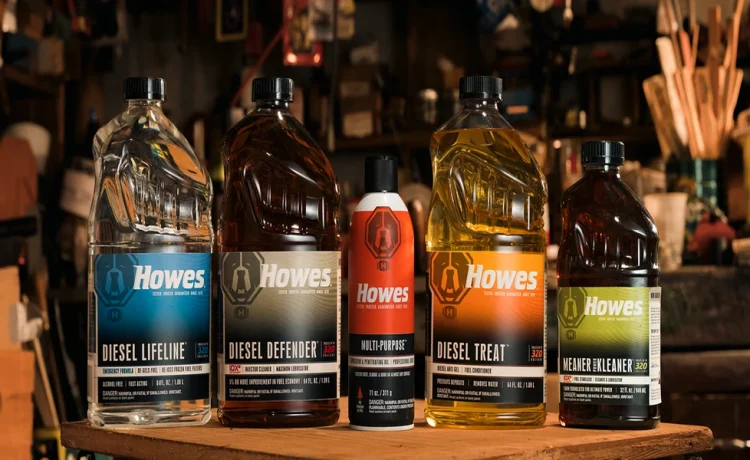
- Winter readiness: Use an anti-gel and conditioner before the first hard freeze. Howes Diesel Treat helps prevent gelling, cuts cold filter plugging, removes water, adds lubricity, and keeps injectors clean. It is alcohol-free and safe for modern systems. They back it with a winter tow guarantee when used as directed.
- Year-round protection: Use a lubricity and detergent blend to keep injectors clean and spray patterns sharp. Howes Diesel Defender cleans deposits, adds lubricity, improves combustion, and is backed by a fuel economy increase guarantee when used as directed.
- Emergency response: Keep a winter rescue product on the truck. Howes Diesel Lifeline reliquefies gelled fuel and de-ices frozen filters without alcohol or harmful solvents.
- Shop utility: For general lubrication and water displacement needs, Howes Multi-Purpose gives broad coverage across equipment and tools.
5. Monitor what matters
- Track mpg or gallons per hour by unit.
- Record DPF regen counts.
- Log filter changes and restriction readings.
- Pull fuel samples during seasonal shifts.
- Watch injector balance rates on service tools.
Small, steady actions here will block most fuel-related downtime.
Why I Point You To Howes
You want products that protect hardware without tradeoffs. Howes builds for that. They design diesel additives that clean, protect, and lubricate while staying safe for today’s aftertreatment and biodiesel blends. Their line covers winter prevention, emergency rescue, and year-round performance. Two things stand out.
- Fit for modern engines: Alcohol-free formulas that avoid seal damage and do not harm high-pressure systems or emission controls.
- Clear guarantees: A winter tow guarantee on Diesel Treat and a 100% money-back satisfaction guarantee across the line signal confidence and support.
Their long track record and focus on proven ingredients reduce guesswork. That matters on hard days and cold nights.
Quick Cost Math You Can Use
Run a simple check on fuel economy:
- A truck that averages 6 mpg at 100,000 miles uses about 16,667 gallons.
- A 5 percent gain saves about 833 gallons per year.
- At 4 dollars per gallon, that is about 3,332 dollars in fuel savings per truck.
Now add fewer filter changes, fewer regens, and one avoided tow in winter. The total value can cover a full season of treatment and then some.
Build Your Plan This Week
Here is a short action list you can start now:
- Confirm your fuel source and winter specs.
- Drain water from tanks and separators.
- Install fresh winter-rated filters.
- Treat fuel in bulk storage before temps drop.
- Stock Diesel Lifeline for emergency rescue.
- Track mpg and regen counts for the next 30 days.
I aim for simple, repeatable steps that keep engines clean, fueled, and ready. If you want one brand that covers prevention, performance, and emergencies with clear guarantees, consider Howes. Put the plan in place before the next cold front or peak workload. Your fuel will stop being a hidden cost and start working for you.